
Narrative Medicine
Narrative Medicine began with a simple premise: patients are telling a story about their health, their experience of it, their fears and concerns, their hopes and wishes.
Physicians who listen and attend to that story have more complete information to develop a diagnosis and treatment plan and are more likely to leave the patient feeling heard and understood.
As a vital tool for healthcare professionals, Narrative Medicine enhances the ability to truly understand and interpret patient experiences. But its value extends beyond healthcare, wherever people engage with others, these skills can improve relationships and outcomes.
In a Narrative Medicine workshop, we will read a short story or poem together and share and discuss what we see in it. We will then write to a prompt for a set period of time with the opportunity to read our writing and receive positive feedback.
Stay up to date on workshops I’ll be leading, as well as updates from the Narrative Medicine field below.
Using Film to Teach Communication Skills, Patient Care, and Other Medical Competencies—April 2023 FRAHME Newsletter
Bringing film into medical education can offer a wealth of opportunities for students to learn essential skills and promote critical thinking.
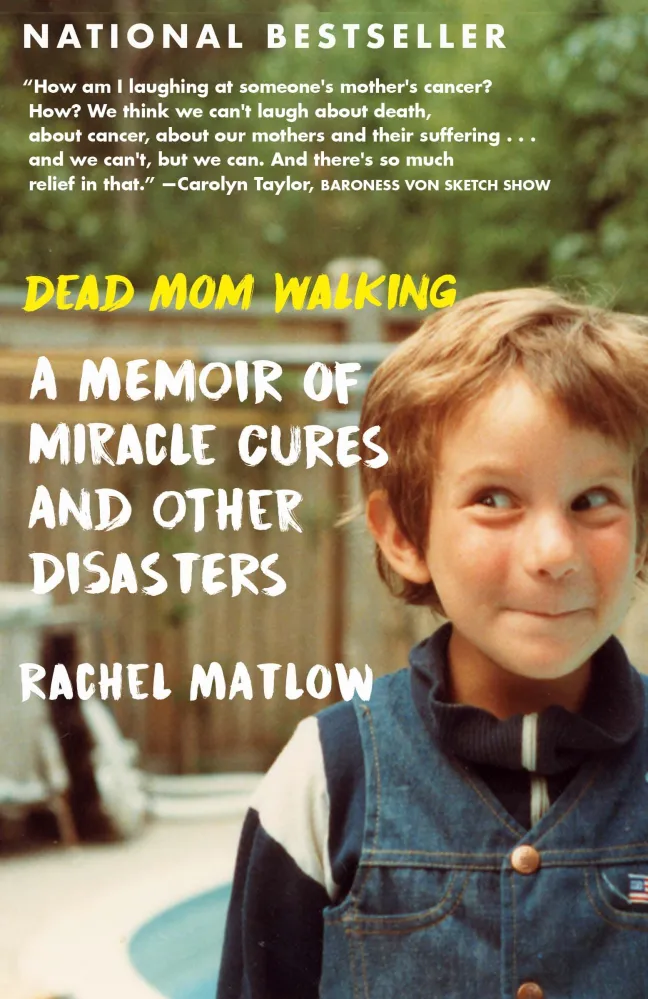
Book Review: Dead Mom Walking: A Memoir of Miracle Cures and Other Disasters
In June of 2010, over post-work elderflower martinis at the fabulous Roof Lounge at the Park Hyatt in Toronto, Rachel’s mother, Elaine, an alternative high school teacher and writing coach, tells them that a colonoscopy showed a polyp that may be cancerous. Despite their mother’s attempts to be nonchalant, Rachel can tell she is scared.